
Gremac e1 Operating Manual
Gremac e1 Operating Manual
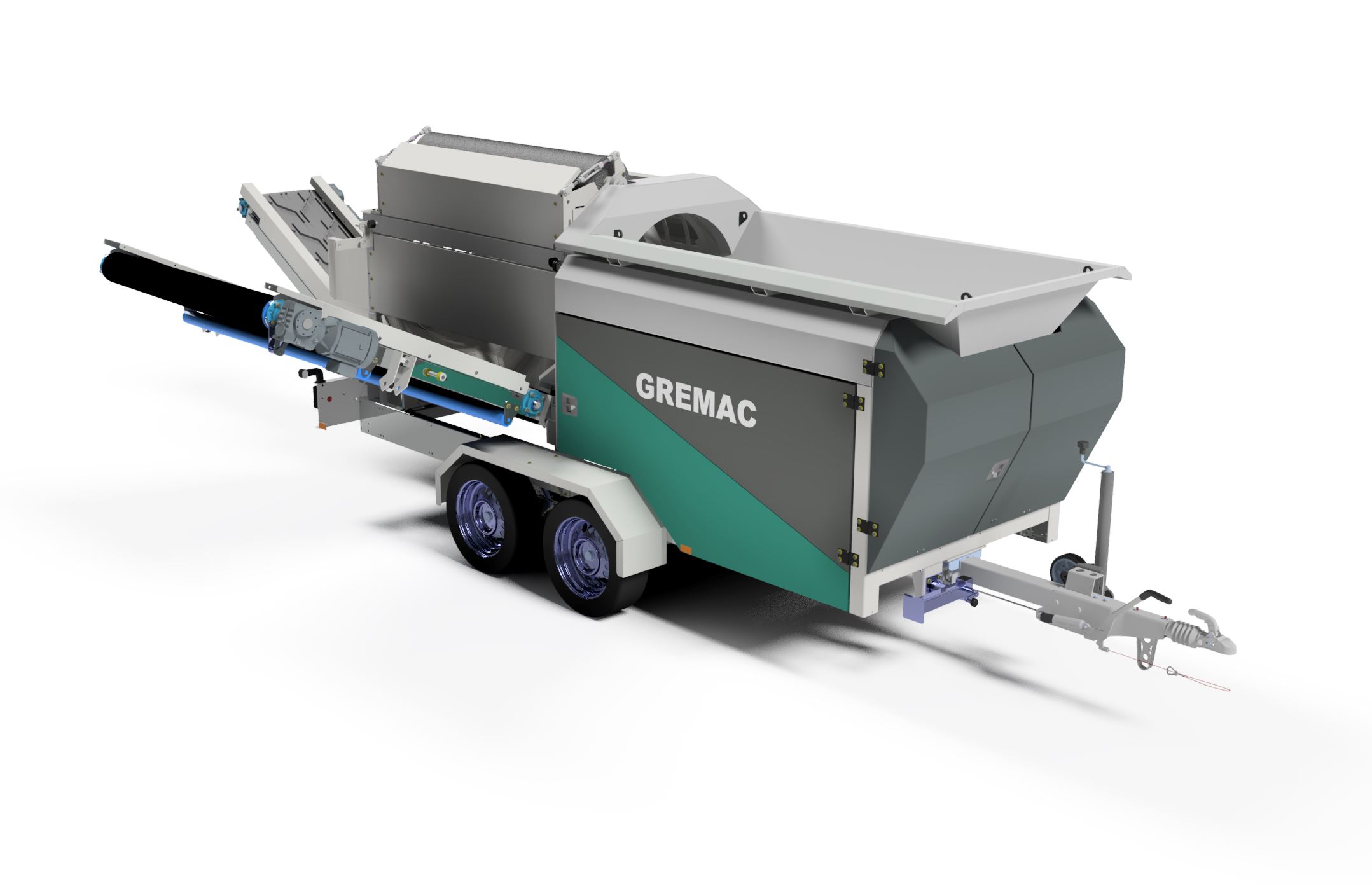
Gremac e1r (Radfahrzeug)
Gremac e1k (Raupenfahrzeug)
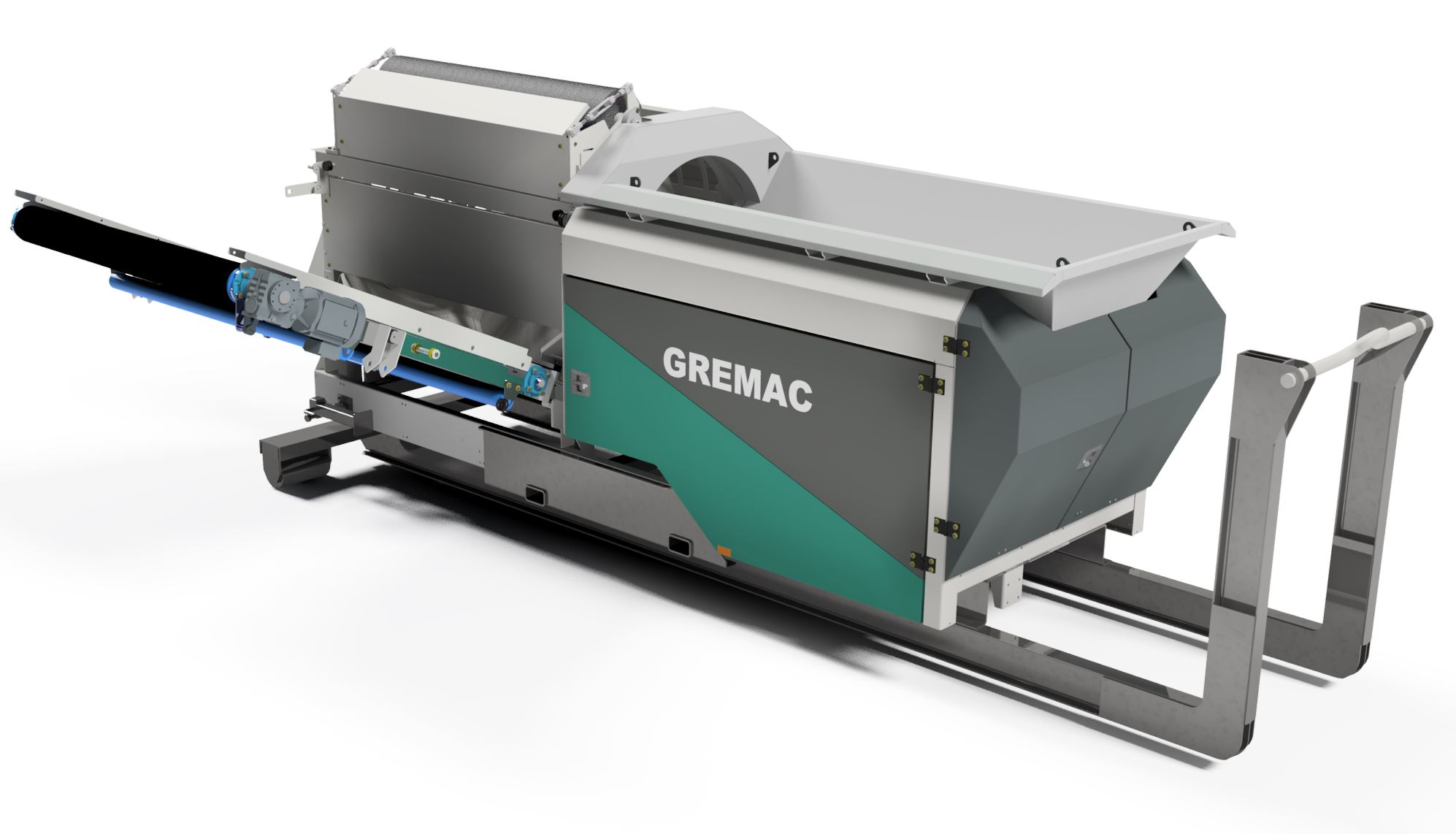
Gremac e1h (hook lift)
Inhaltsverzeichnis
Service + Production
Distribution
Grundsatz
Organizational measures
Operating instructions
Elektrische Energie
Anchor points
Stationäre und kettenmobile Ausführung
Radmobile Ausführung
Gremac e1r (radmobil)
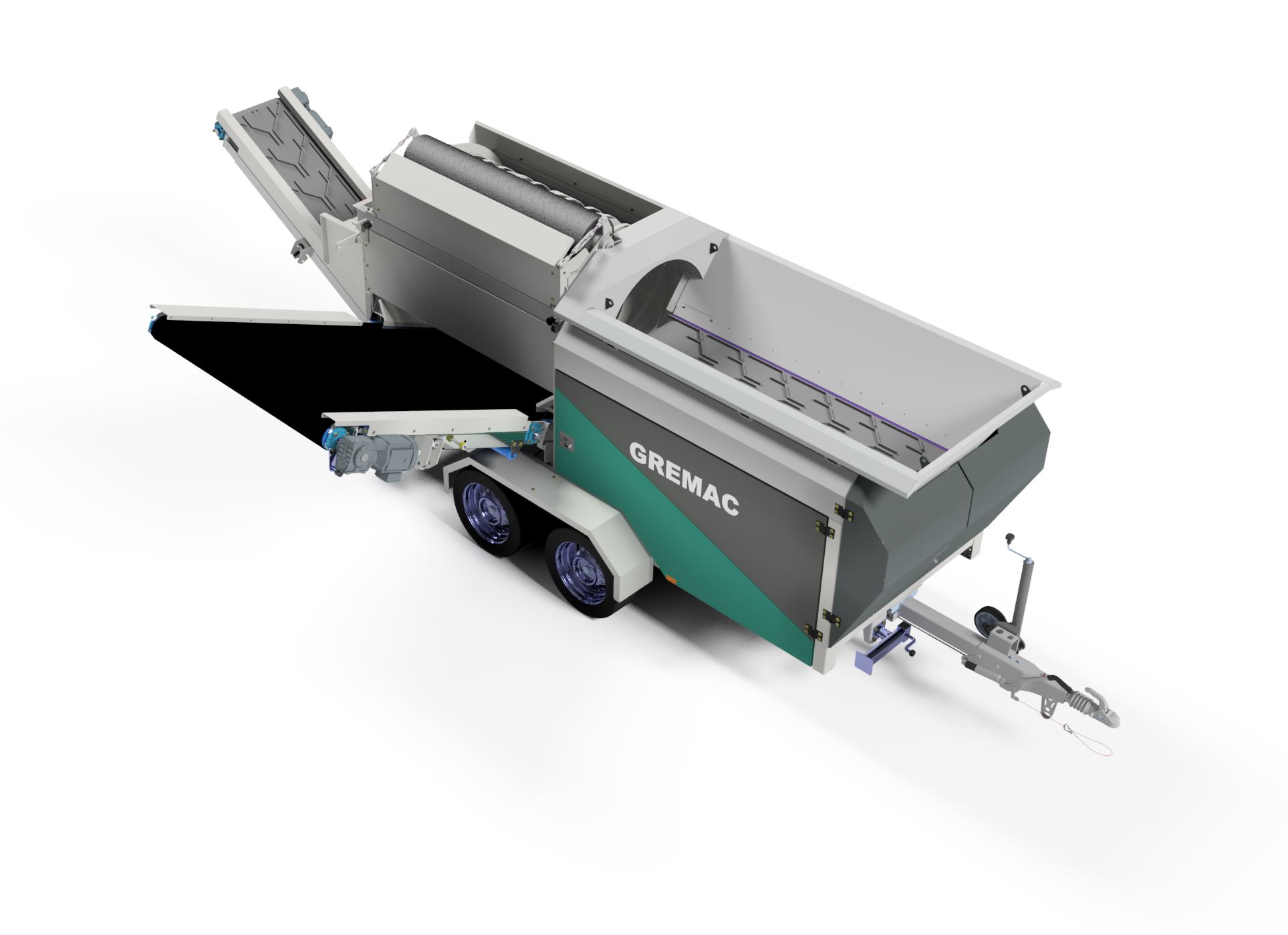
Gremac e1k (kettenmobil)
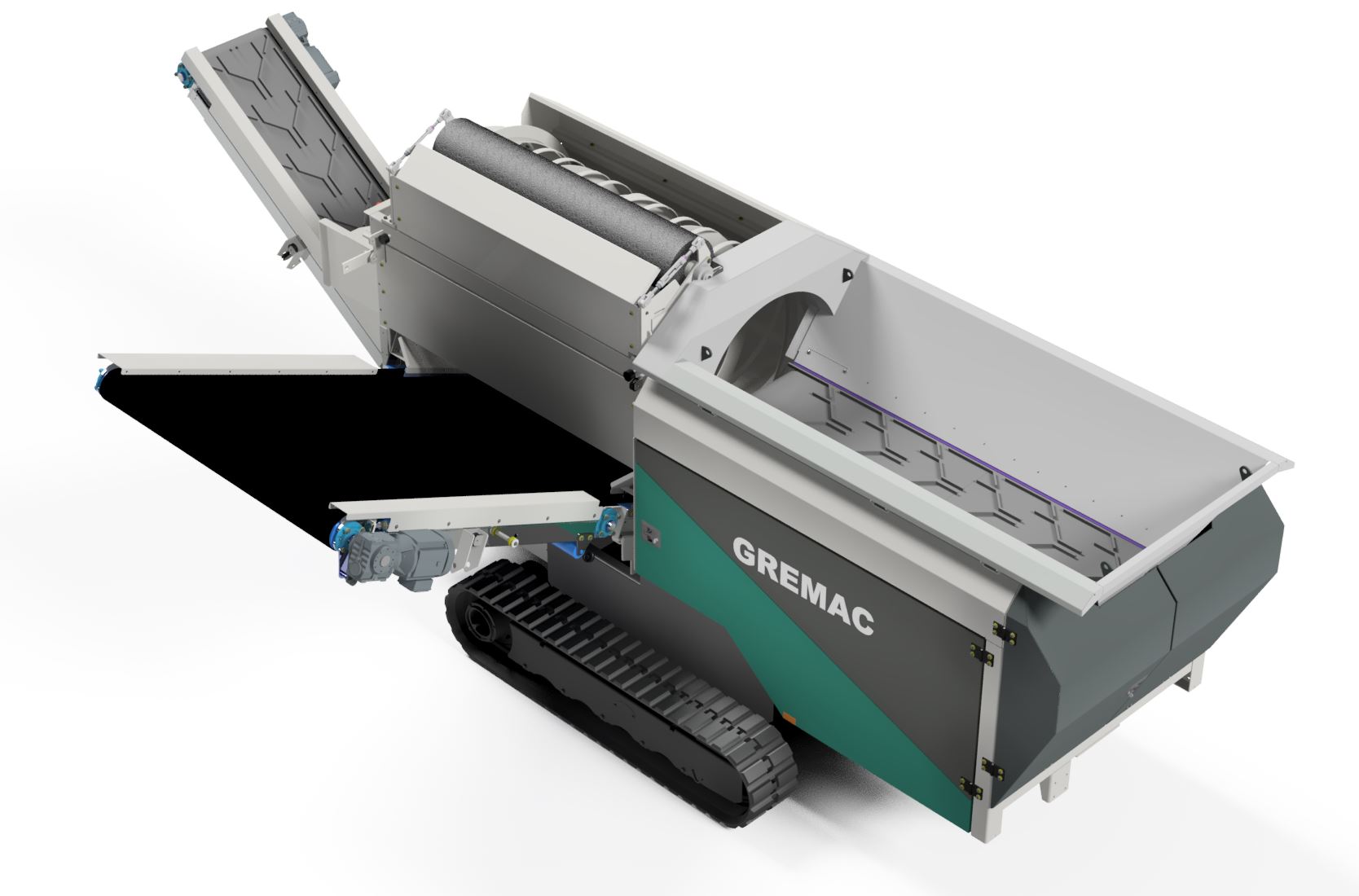
Gremac e1h (Hakenmobil)
Aufstellung
Anschluss der Maschine an das Stromnetz
Steuerung / Systemintegration
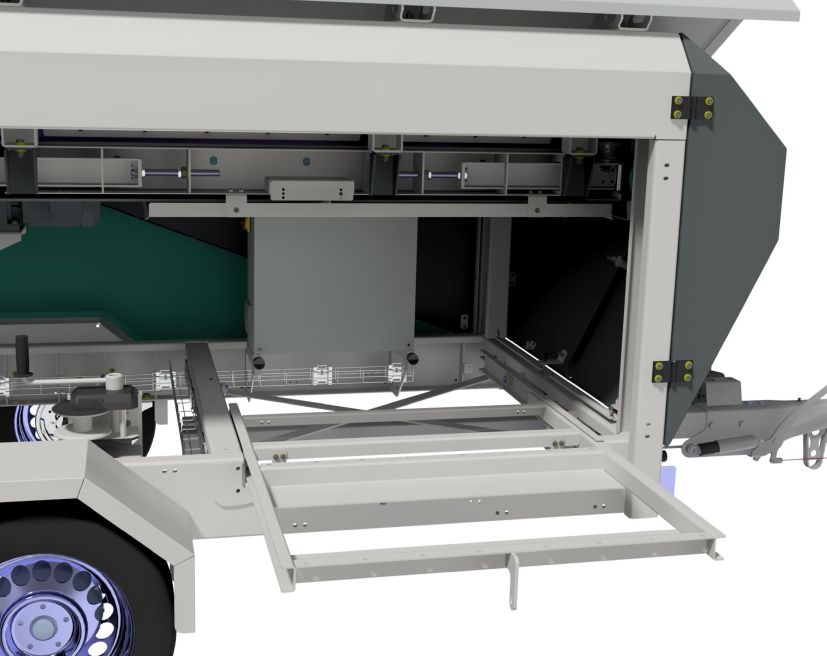
Maximale Maße des Stromerzeuger
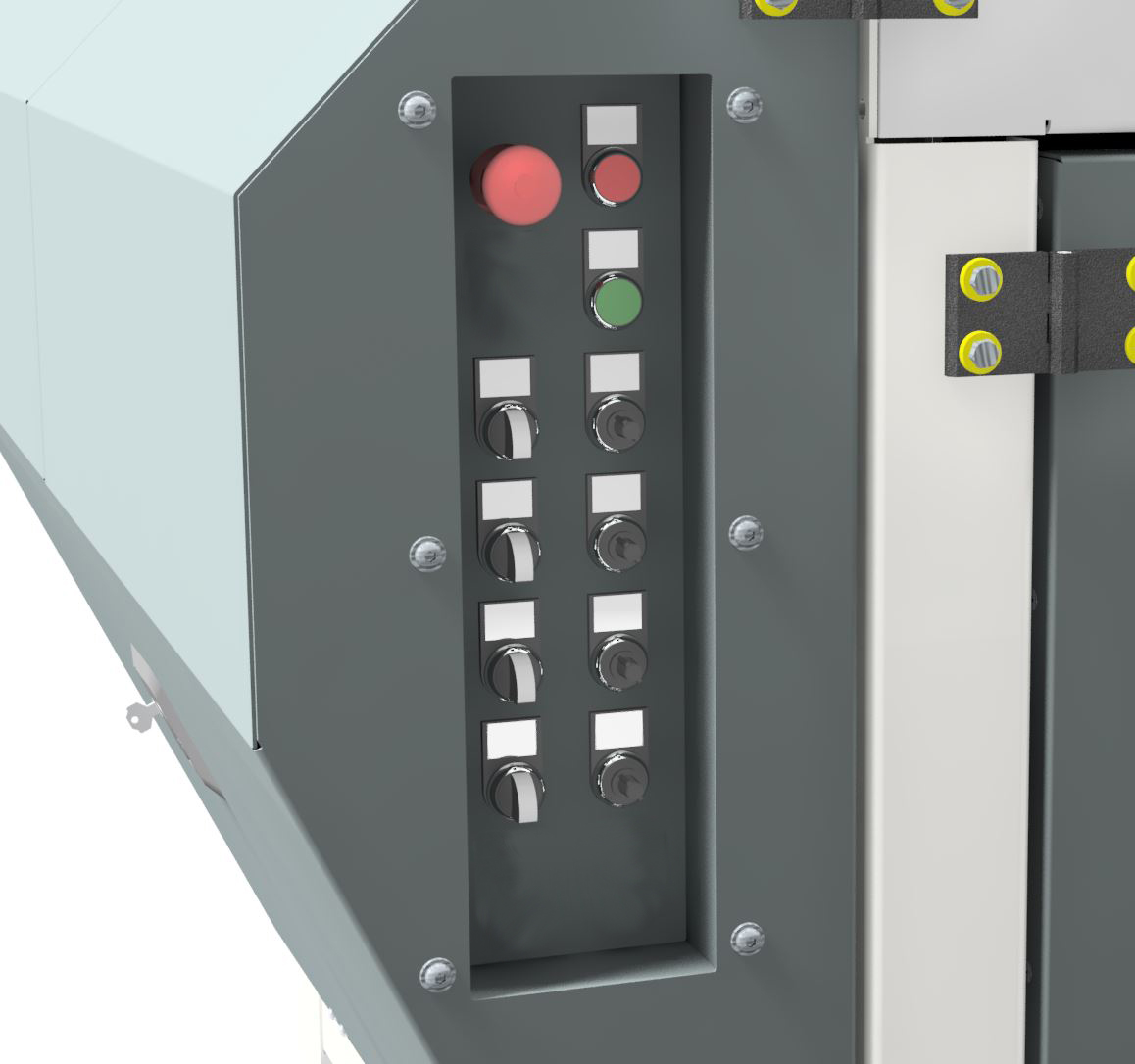
LED-Signale
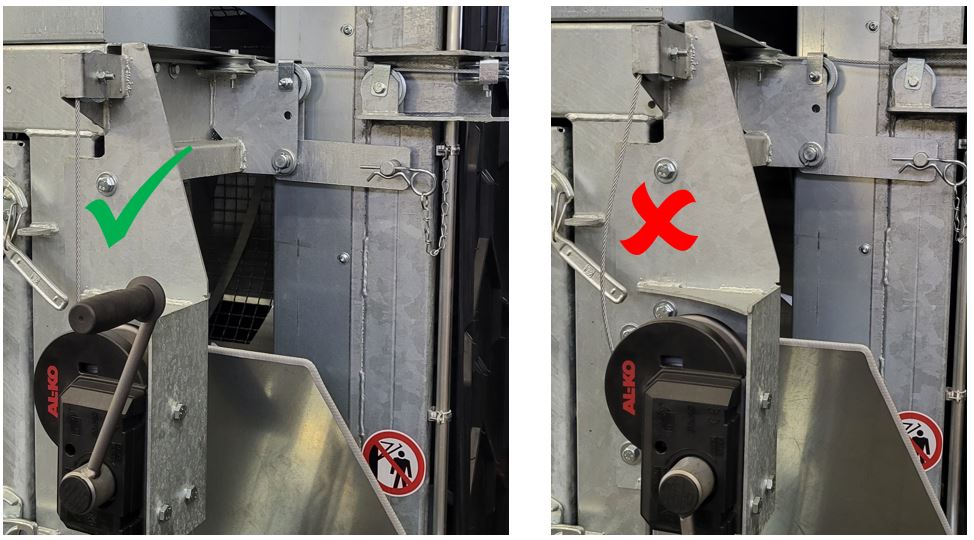
Manueller Betrieb
Maschine stoppen
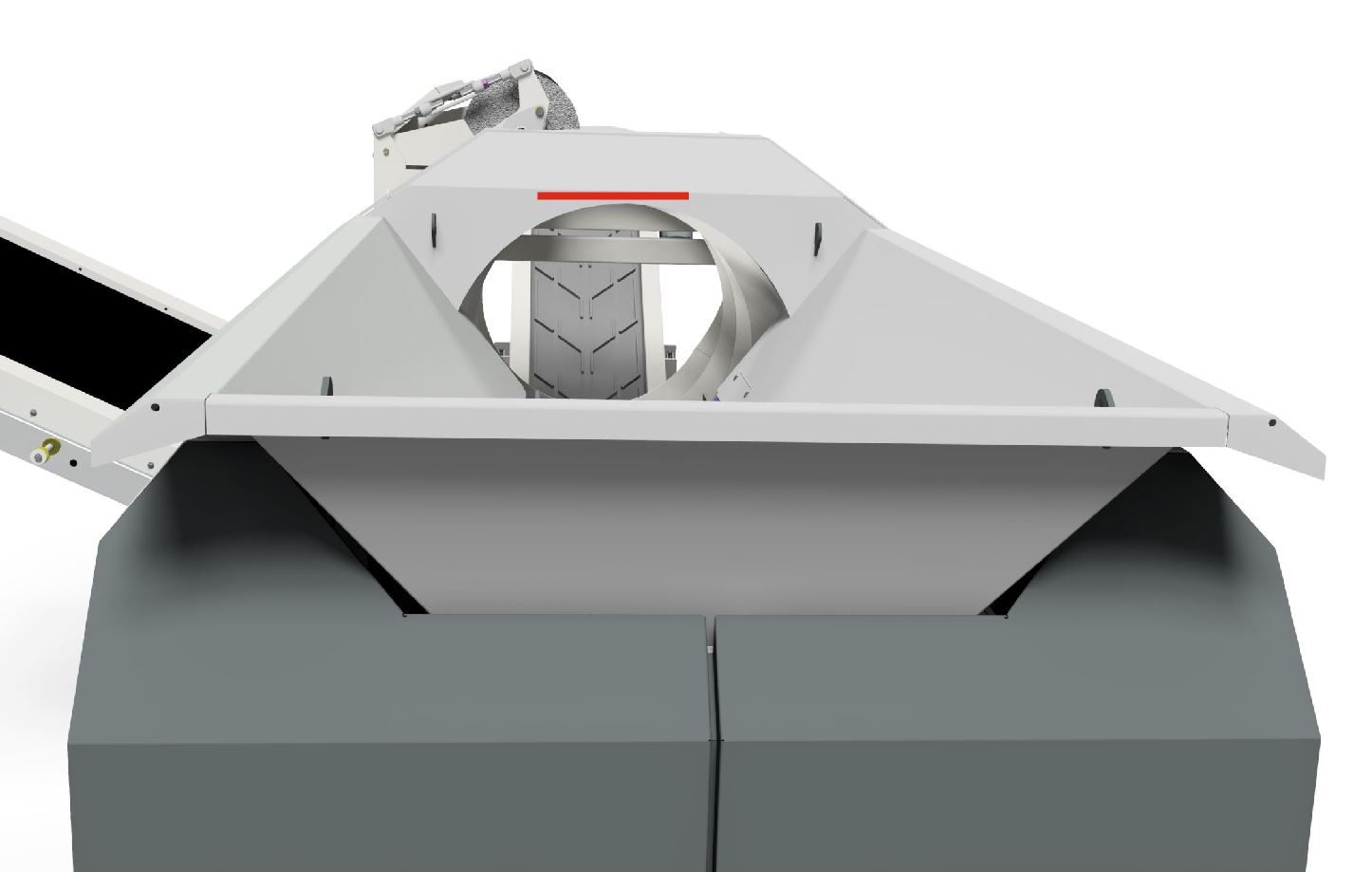
When the load limit of the hopper drive is reached, the hopper is automatically reversed briefly and restarted in the conveying direction. In case of overfilling of the hopper or very large impurities in the screenings to be processed, this prevents bridging and ensures a better material flow. If, after three reversals, there is still an overload on the hopper drive, the machine is stopped and a fault message is issued (hopper belt selector switch flashes).
The function can also be executed manually by holding down the Start key. After three seconds, the hopper reverses as long as the key is held down. After releasing the key, the hopper conveys again in the direction of the screening drum.
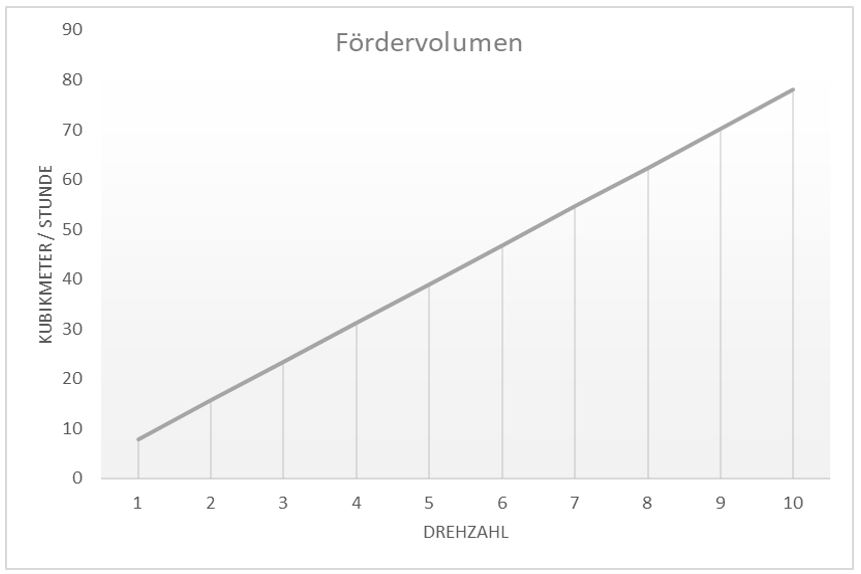
Fördergeschwindigkeit
Bunkeraufsatz
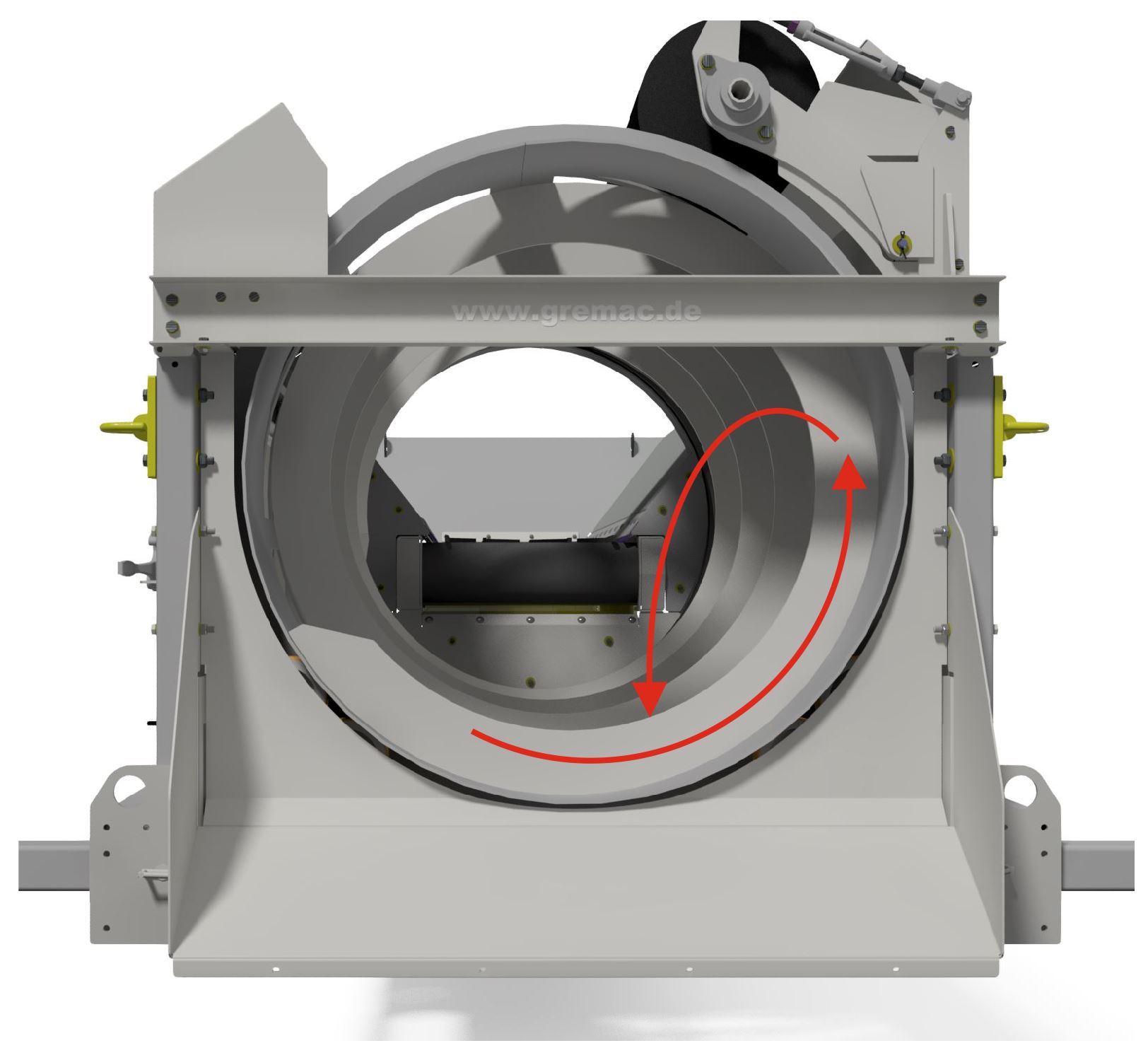
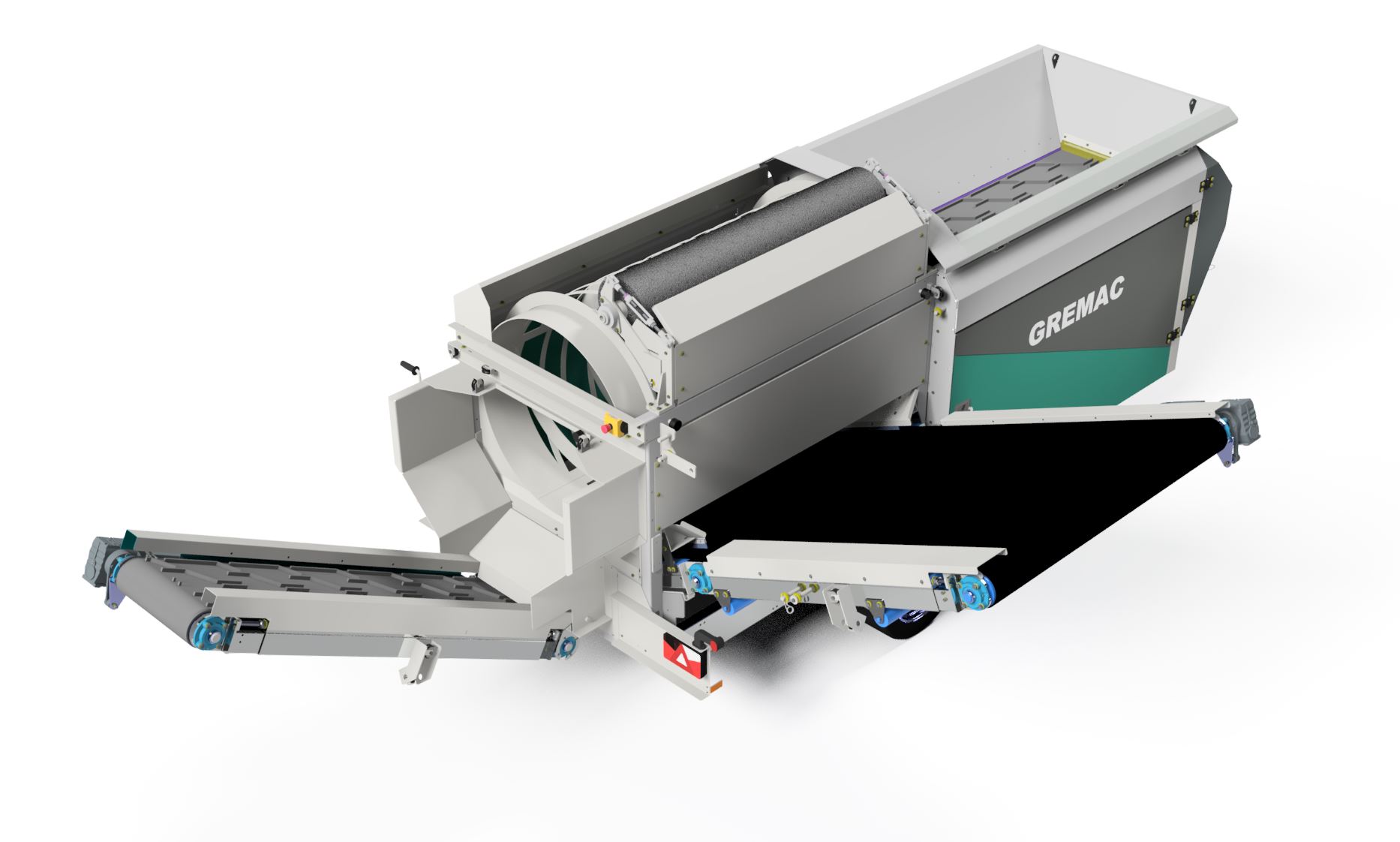
Vorbeugende Maßnahmen
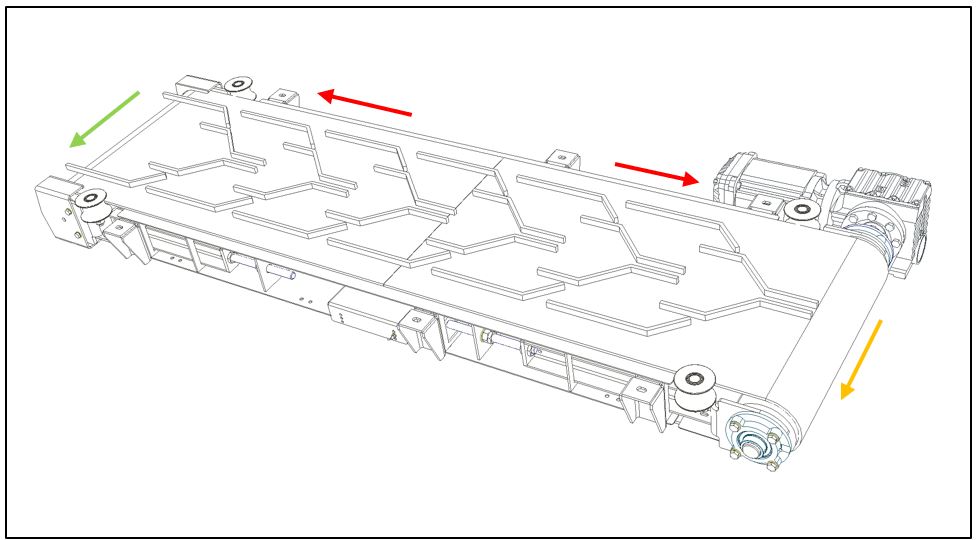
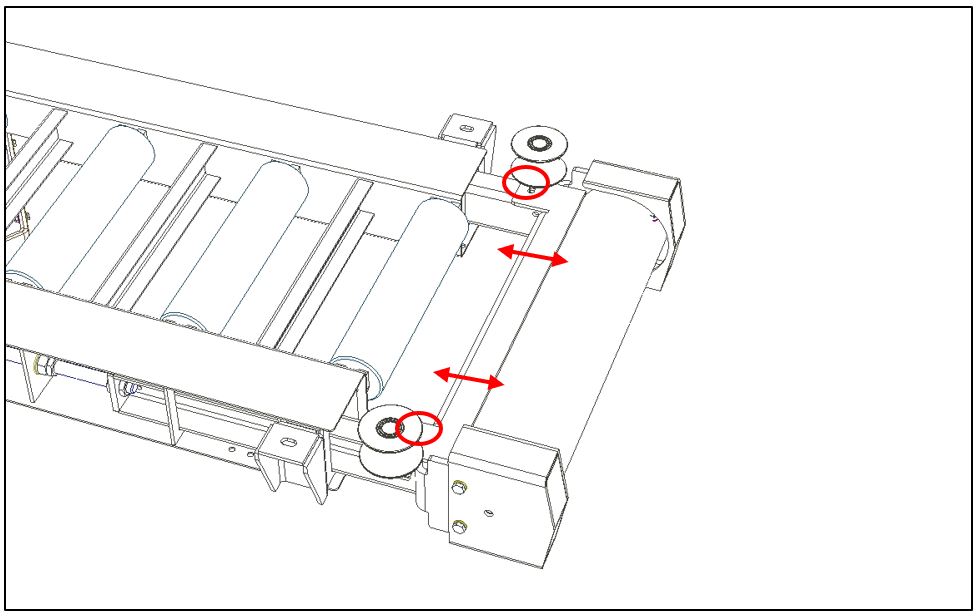
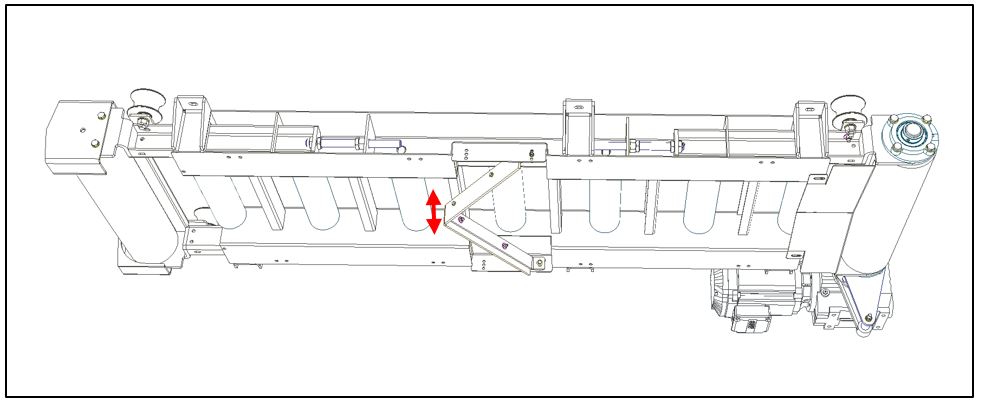
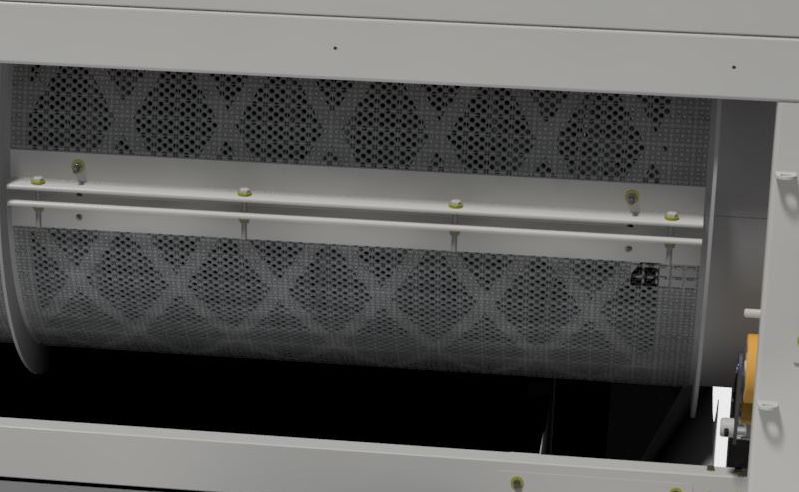
Siebtrommel
Vorbeugende Maßnahmen
Störungsursachen
Siebmatte austauschen
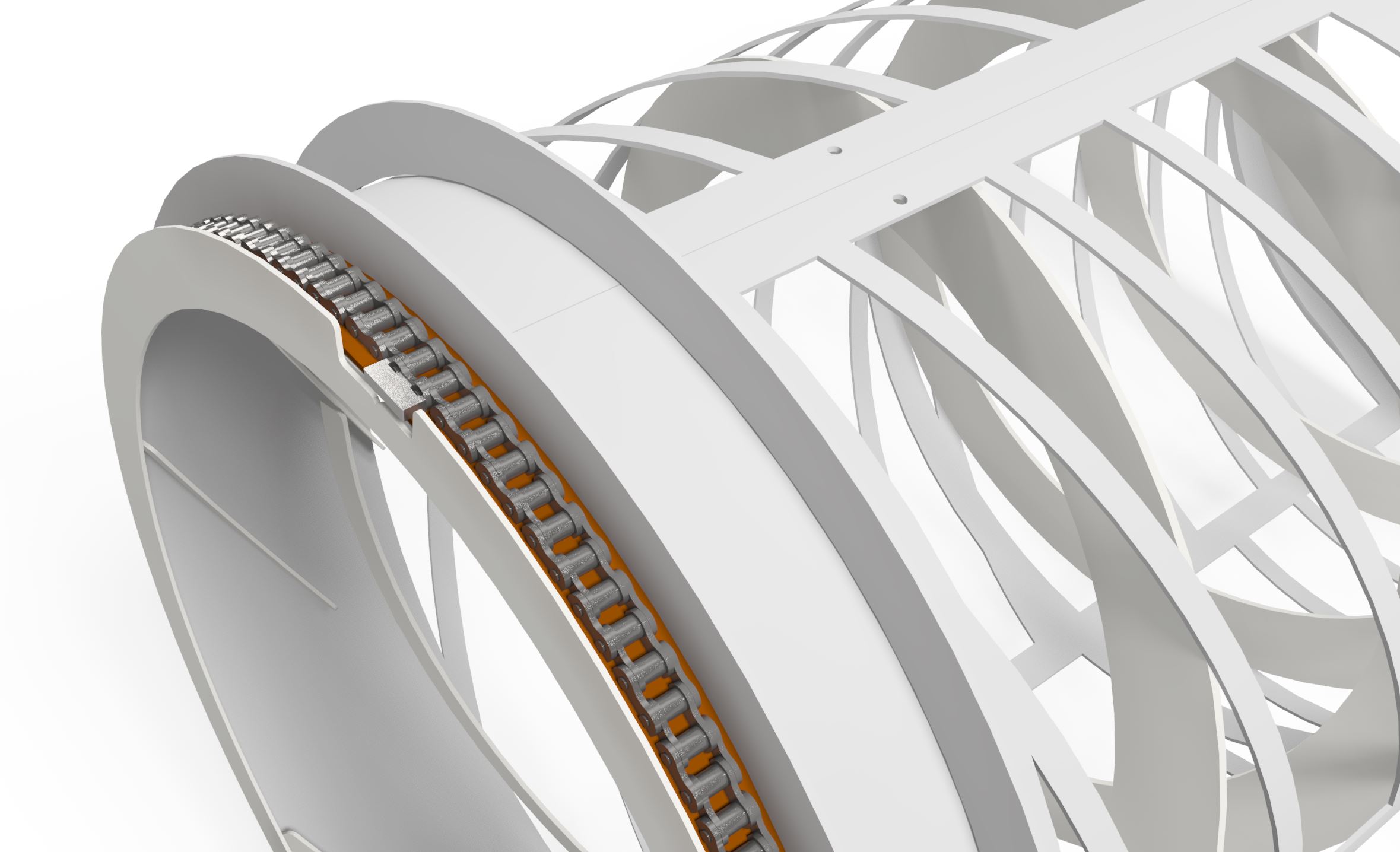
Trommelkette
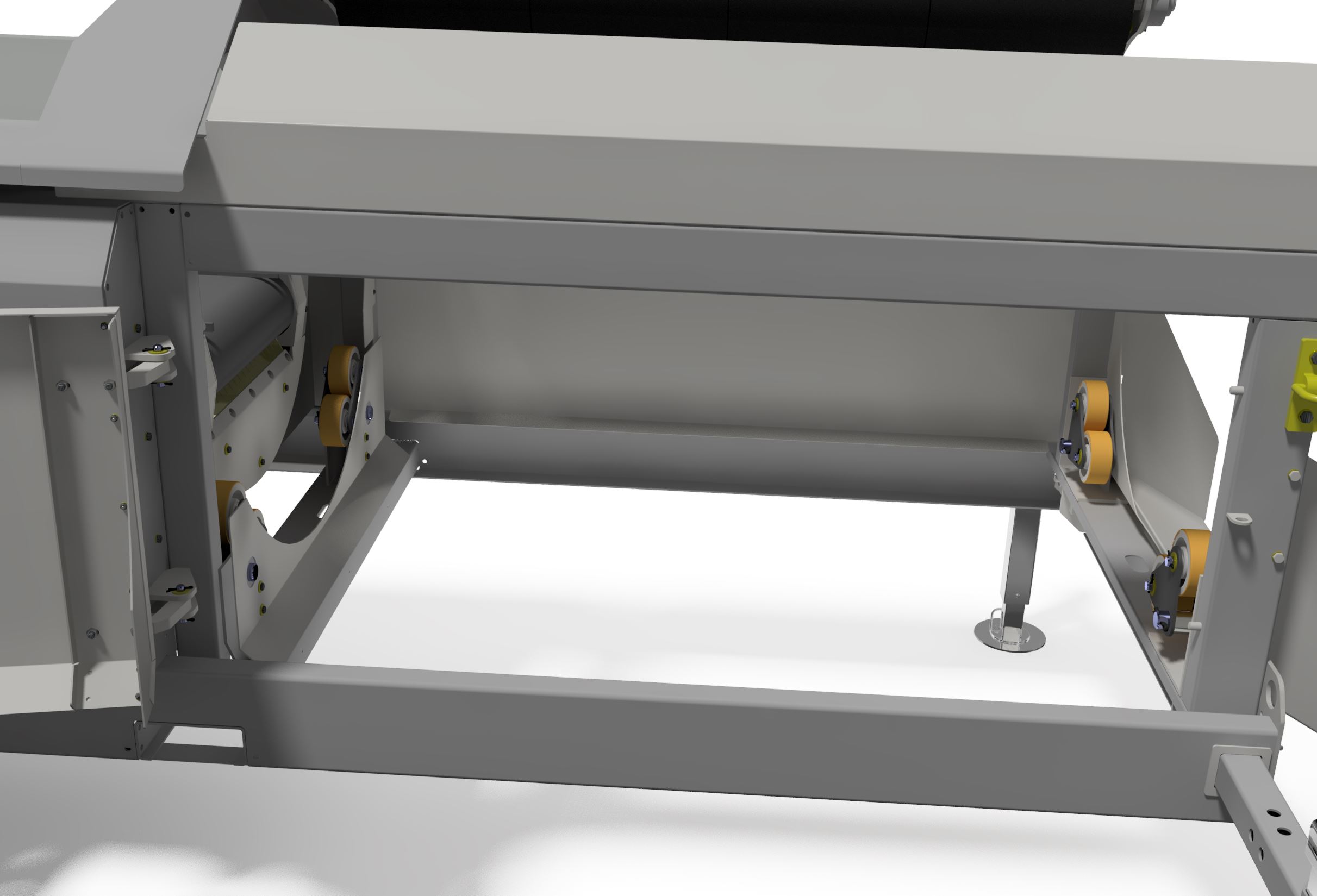
Trommellagerung / Laufräder
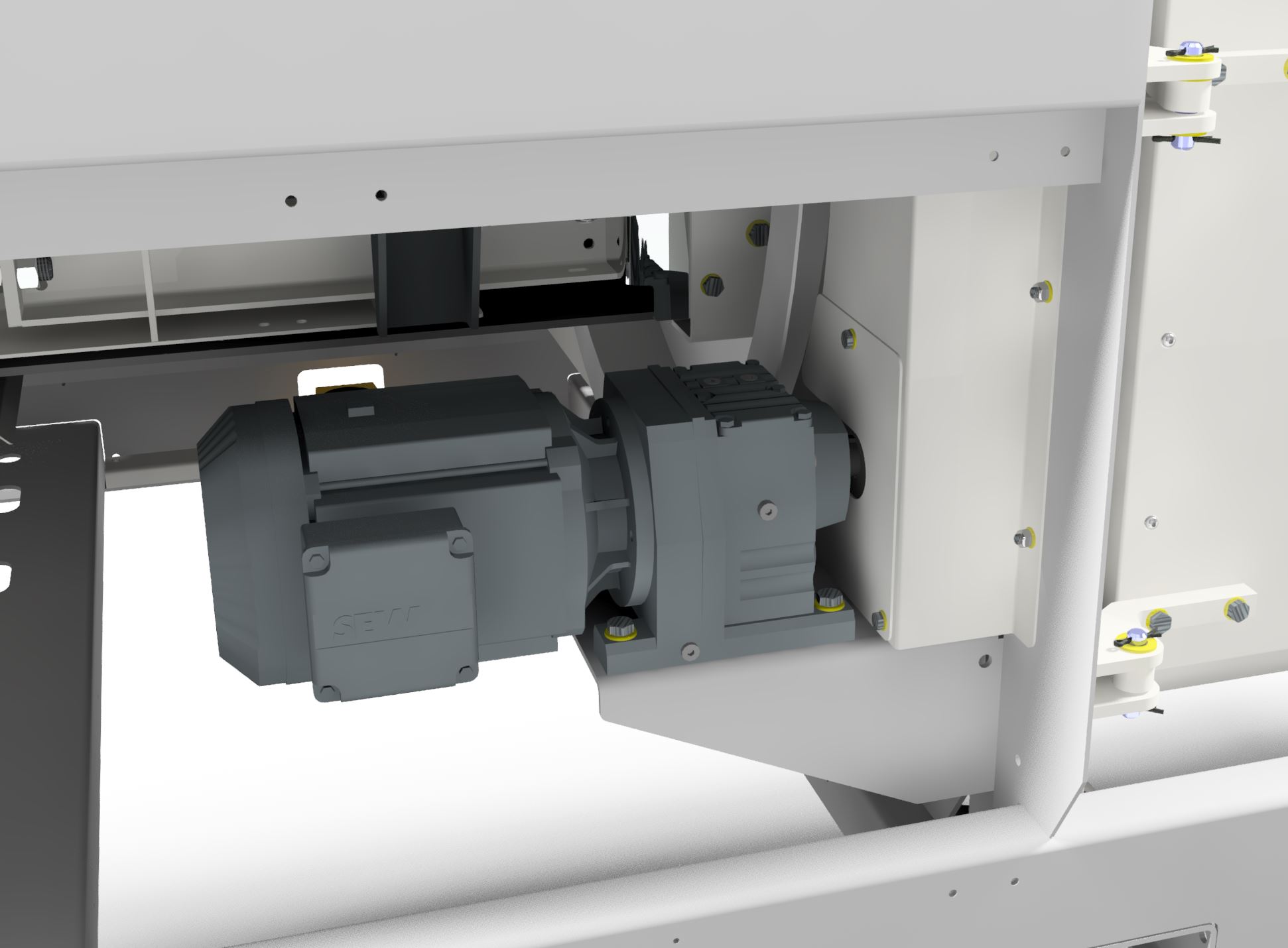
Trommelantrieb einstellen
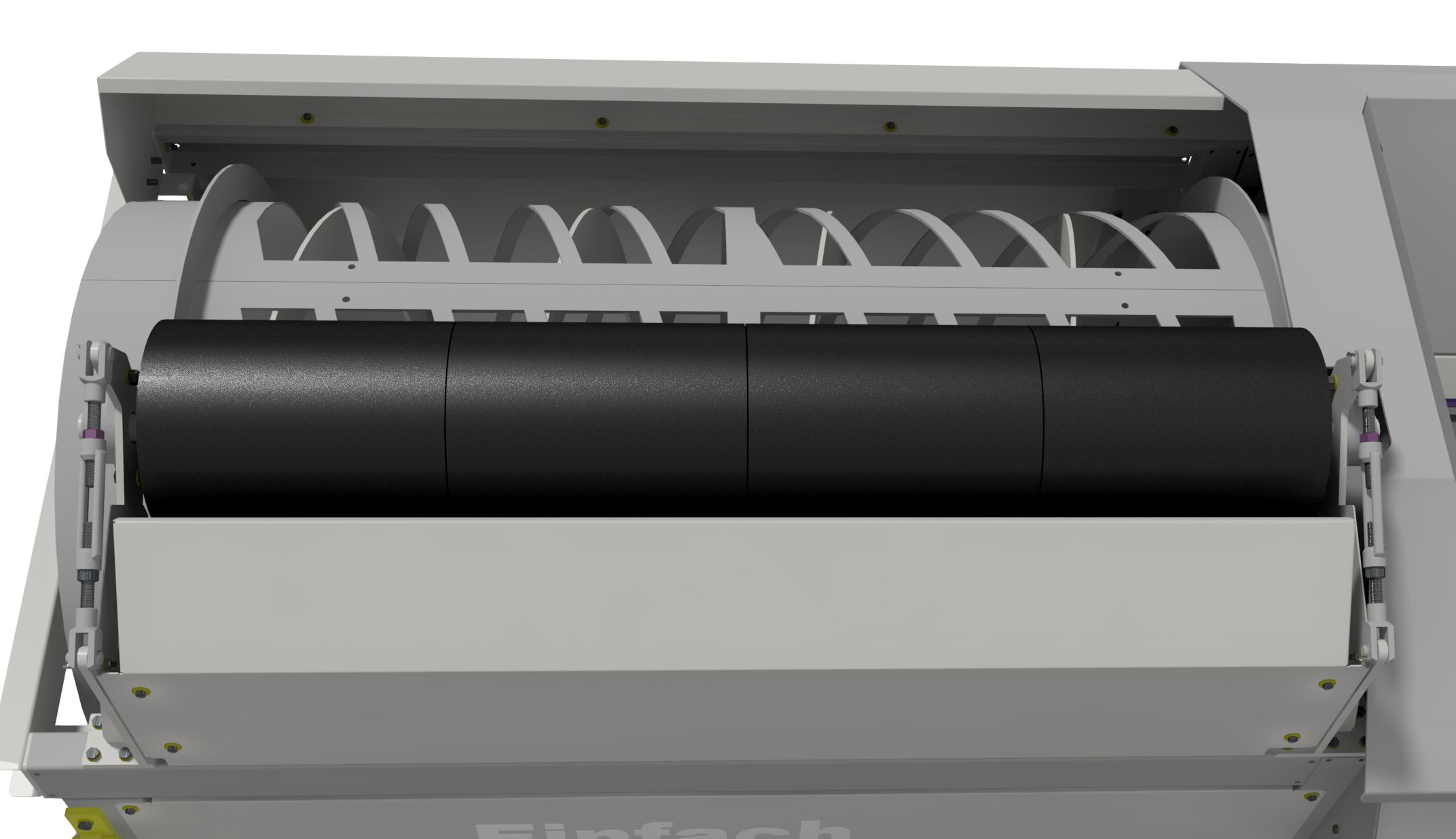
Reinigungsbürste einstellen
Vorbeugende Maßnahmen
Vorbeugende Maßnahmen
Definitionen
Instandhaltungsgrundsätze
Maschinenreinigung
Allgemeine Reinigung
A service plan is available in addition to the maintenance plan printed in the operating manual.
To make work easier, all dates and associated maintenance schedules are printed. During or after inspection, maintenance or repair, only the corresponding data must be entered. In the case of warranty claims, the service plan serves exclusively as proof of the inspections performed.
(Fig. Table of state images)
- Breakouts/Damage
- Mounting
- Braking effect
- Break
- Elongation
- Tightness/leakage
- Torque transmission
- Flow
- Setting
- Conveyor flow
- Fretting/scoring/scratches
- Filling quantity and condition
- Function
- Noise (smooth running)
- Corrosion
- Internal clearance
- Cracks
- Switchability
- Slip
- Vibrations
- Seat
- Voltage
- Game
- Temperature
- Unbalance
- Uneven run
- Deformation
- Offset
- Wear
- Pollution
- Completeness
- Cooling
- Voltage
(Fig. Maintenance plan)
Any deviations from the target values/operating conditions that occur and are detected must be corrected immediately. The reproduction of this protocol is expressly permitted.
(Fig. Fault log)
Final decommissioning and disposal
Final decommissioning and disposal require disassembly of the machine into its individual components. Dispose of all parts of the machine in such a way that damage to health and the environment is excluded.
Commission a qualified specialist company with the final disposal of the machine.

When the machine is finally decommissioned, hazards due to leaking lubricants, solvents, preservatives, etc., must be expected. These can lead to burns if they come into direct contact with the skin. There is a risk of injury at open, sharp-edged machine parts.
Uninstallation work on electrical machines may only be carried out by trained electrical personnel.
Version: 2.1 / 17.12.2023
All rights reserved. No part of this work may be reproduced in any form (print, photocopy, microfilm or any other process) or processed, duplicated or distributed using electronic systems without written permission from H2PRO. These documents have been prepared and checked with great care. Nevertheless, errors cannot be completely ruled out. Publishers and authors cannot assume legal responsibility or any liability for incorrect information and its consequences. Subject to technical changes.
